



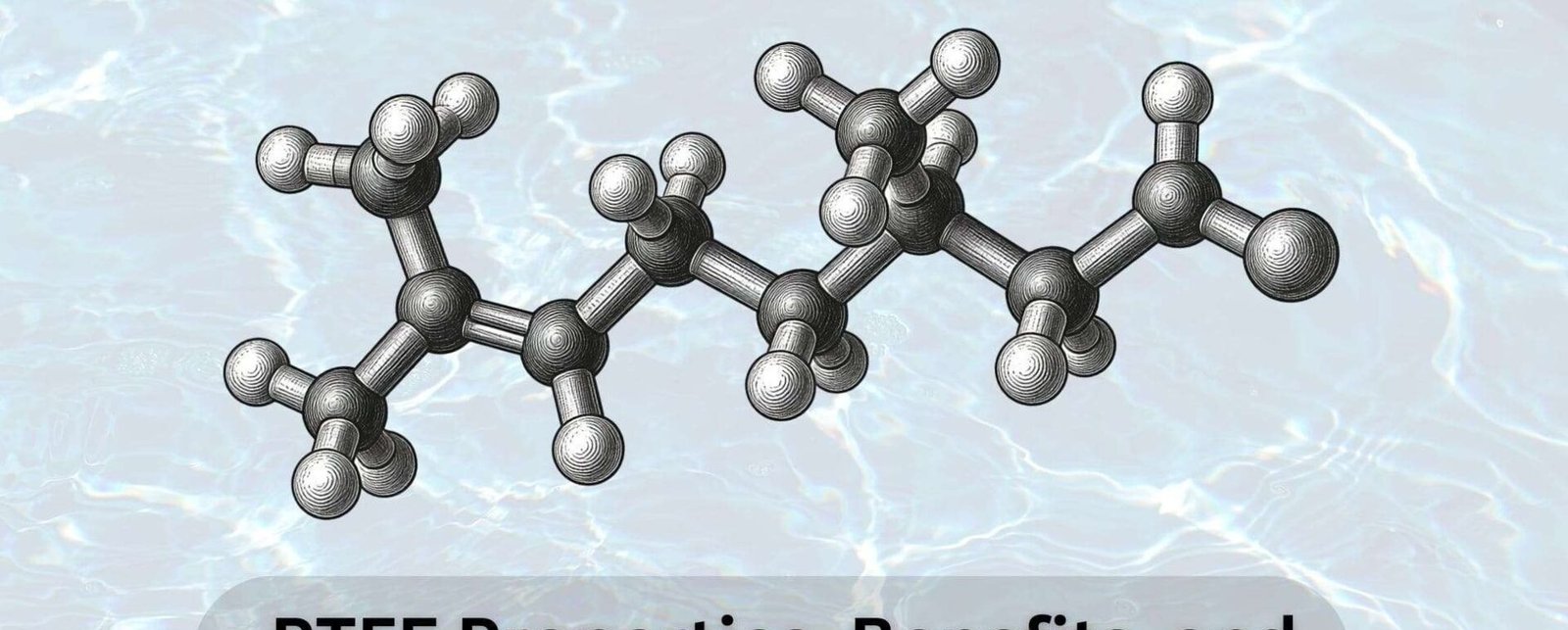
Polytetrafluoroethylene (PTFE) is a plastic material that’s non-stick and easy to clean. It’s commonly known as Teflon. It’s widely used in both industrial and household products.
This article covers everything you need to know about PTFE, along with its benefits and industrial uses.
Definition of PTFE
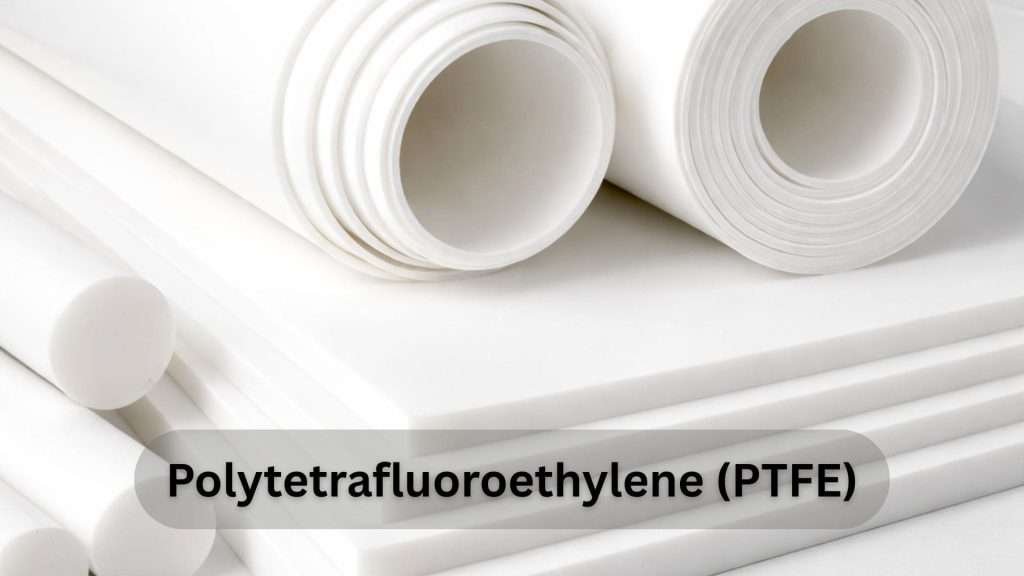
Polytetrafluoroethylene resists heat, chemicals, and stains exceptionally well. That means you can use it for various purposes. It offers all these benefits while being more affordable than PEEK (Polyetheretherketone). For even more demanding environments, our PEEK parts offer superior mechanical strength.
Many industries use PTFE as a wiring insulator, for slide bearings, and for industrial pipes. It’s also commonly used in food manufacturing and packaging because it’s non-stick and resists heat well.
Properties of PTFE
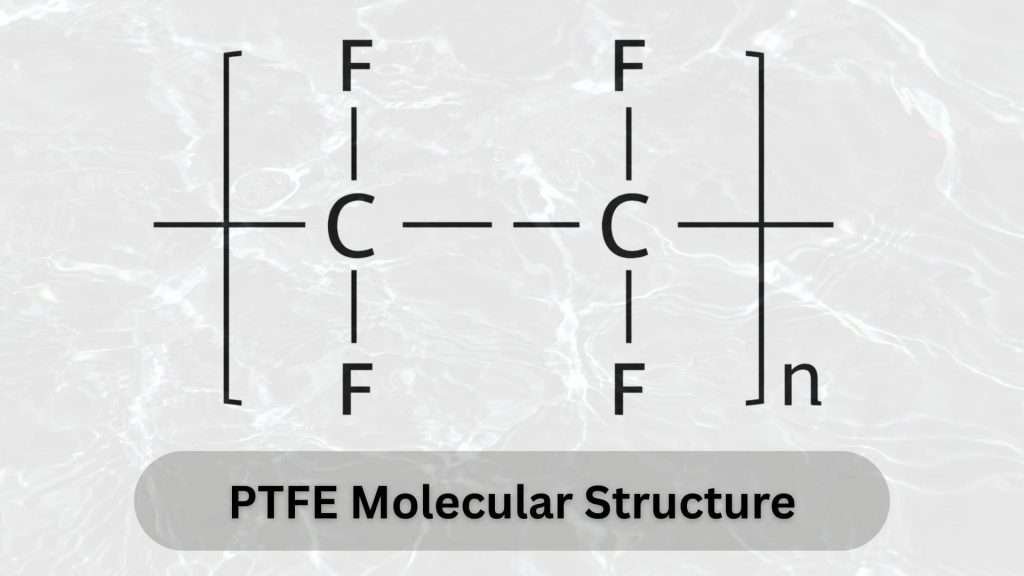
Though PTFE is a plastic material, it significantly differs from polyethylene (common plastic) because of its chemical properties. Unlike common plastic, PTFE resists chemicals, stains, and heat exceptionally well. Here are some of its properties:
Very High Melting Point
PTFE has a crystalline melting point of 620 degrees Fahrenheit (or 327 degrees Celsius). It melts at this temperature, but it’s chemically stable till 500 degrees Fahrenheit. After that, it usually starts releasing toxic fumes.
Resists Chemicals and Solvents
Teflon is the most chemically resistant of all plastics. It resists acids, bases, and strong solvents. That’s why industries use it for harsh chemical processing. With that said, PTFE can’t handle molten alkali metals or fluorinating agents.
Antifriction Surface
Teflon has a very low coefficient of friction of 0.04 to 0.1. In fact, that’s the lowest of all solid materials. It’s non-stick even at extremely high temperatures. You can use it without any extra lubricants. However, you need to use fillers like carbon to improve its durability.
Non-Stick
The friction of PTFE is comparable to wet ice on wet ice, which is why it’s non-stick. Even if you don’t own an industry, you would probably use Teflon pan for cooking. The way the food slides instead of adhering to the pan is because of its low coefficient of friction.
Electrical Insulation
PTFE resists very high voltage without breaking down. You can find it in fuel hose liners and sensor cables in aerospace, besides being used in other industries.
Hydrophobic
PTFE is almost entirely carbon and fluorine, so it doesn’t attract water molecules. The water contact angle is also very high at around 130 to 140 degrees, so water doesn’t wet or adhere to the surface.
This fluoropolymer lets gas pass through while preventing liquid water, which is why it’s used in medical devices and industrial vents.
Benefits of PTFE
Many industries use PTFE because of the wide range of benefits it offers. Here are the benefits of PTFE:
Affordable Price
The performance-to-price ratio of PTFE is among the best compared to other fluoropolymers. It’s more affordable than PEEK (Polyetheretherketone), PTCE (Polychlorotrifluoroethylene), PFA (Perfluoroalkoxy alkane), FEP (Fluorinated Ethylene Propylene), and ETFE (Ethylene Tetrafluoroethylene).
All these materials have some additional advantages, but PTFE balances various properties, all while being affordable.
Resists Electricity
PTFE has exceptional dielectric properties, which is why you can find it being used to coat wires, cables, circuit boards, and even transformers. Even a 1mm thick PTFE sheet can withstand around 170,000 volts.
Also, it doesn’t lose its electrical resistance even when the temperature drops to -328 degrees Fahrenheit or increases to 500 degrees Fahrenheit.
Resists Water
PTFE is highly hydrophobic, which means it repels water without allowing it to wet the surface. If you pour some water in a Teflon pan, you’ll notice the water beads up and rolls off. That’s because of its water resistance.
Since PTFE resists water, it doesn’t corrode, so it’s used for bearings and screws. It’s even used for sterile filtration in pharmaceutical manufacturing.
Non-Stick and Easy to Clean
Polytetrafluoroethylene is among the slipperiest solid materials. It doesn’t allow materials to stick to surfaces, reducing the wear between moving parts. You don’t have to worry about lubricating it.
Because it’s non-stick, PTFE is also very easy to clean. You can just clean it with dish soap and a soft sponge.
Durable
PTFE is highly durable. It doesn’t get affected by even strong chemicals and can withstand heat up to 500 degrees Fahrenheit without breaking down. It also resists UV rays and moisture.
However, the mechanical strength of PTFE isn’t that high compared to other engineered plastics. If you place heavy materials on PTFE, it can deform.
Industrial Uses of PTFE
PTFE resists chemicals, insulates electricity, and has a high melting point. All these benefits make it a versatile fluoropolymer that’s used across many industries. Here are some industrial uses of PTFE:
Aerospace
PTFE is used in seals and gaskets of airplanes as it can withstand high heat and pressure from the engine. Besides the engine, it’s used in fuel hoses and is coated on fasteners so it doesn’t corrode.
Since PTFE has high dielectric properties, you can also find it in the wiring harness of a plane.
Automobile
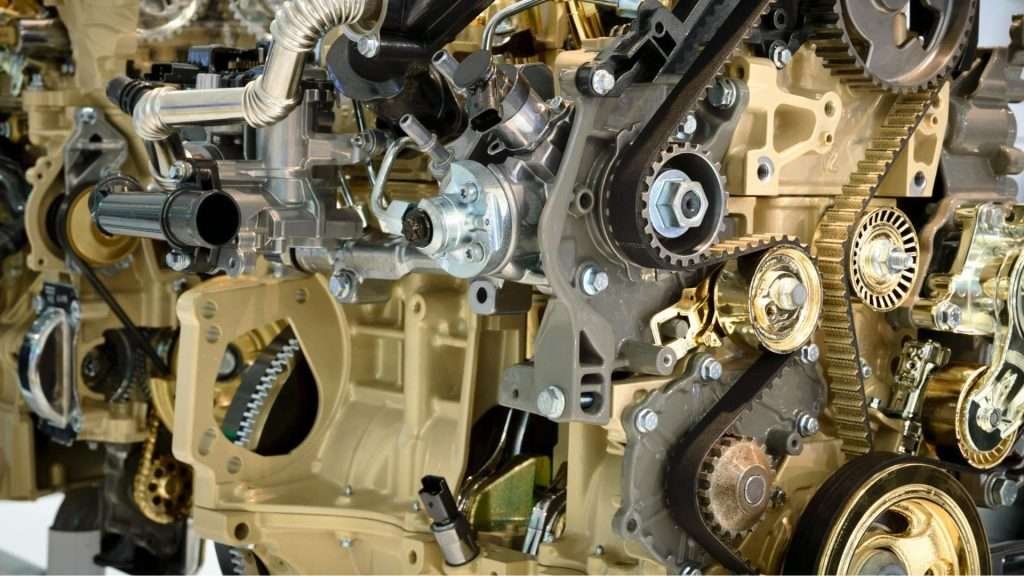
Like an airplane, PTFE is used in automobiles too. It’s used in engine components, electricals, and fuel hose lining. PTFE seals properly and prevents oil and other fluids from leaking, even at high temperatures.
EVs use PTFE as an electric motor seal, a lot in battery components, and also as an insulator.
Medical Equipment
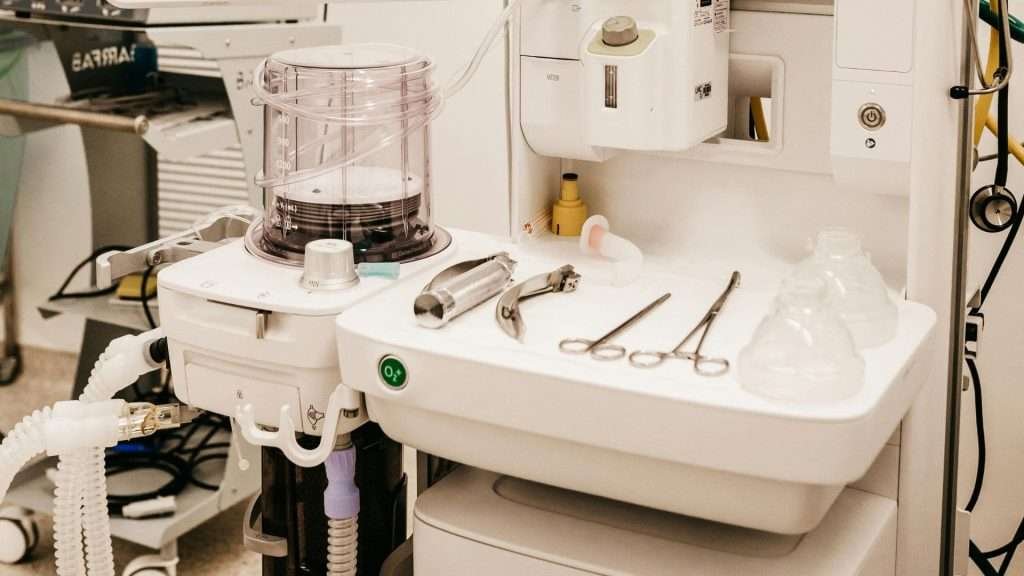
PTFE is used a lot in the medical industry, right from implants to the tools used to perform surgery. It’s used in heart patches and vascular grafts because of its chemical resistance.
PTFE coatings are applied to surgical blades to reduce friction. They are also used in sutures, catheters, and forceps, as they are non-stick.
The drapes and gowns that medical professionals wear are made of PTFE because they are easy to clean while being easy to clean.
Industrial Sealing
Conventional seals can’t withstand aggressive chemicals. Since PTFE is non-stick, can withstand high temperatures, and resists chemicals, it’s widely used for sealing in industries.
PTFE also prevents corrosive substances from destroying other materials and doesn’t wear down because of chemicals.
Solar Panel
Solar panel manufacturers use PTFE because it can withstand temperatures as high as 500 degrees Fahrenheit. It also resists UV rays and handles exposure to the elements.
Electronics
Polytetrafluoroethylene retains its insulation properties even when the temperature drops to -328 degrees Fahrenheit or increases to 500 degrees Fahrenheit. Fillers like copper can increase its electrical resistance even further.
Here are some PTFE products that are manufactured for electrical applications:
- Wire
- Cable
- Circuit board
- Capacitor
- Transformer components
FAQs
Is PTFE the same as Teflon?
Yes. Teflon is actually a brand owned by The Chemours Company that manufactures PTFE. Other brands also manufacture PTFE, but Teflon is the most popular.
Does PTFE stick to another surface?
No, PTFE is non-stick. In fact, it has one of the lowest coefficients of friction among all solid materials at 0.04 to 0.1.
What temperature can PTFE handle?
PTFE has a melting point of 620 degrees Fahrenheit, but it’ll start breaking down after 536 degrees Fahrenheit. So it is only applicable to high-temperature environments with a temperature of 500 degrees Fahrenheit or below.
What chemicals does PTFE resist?
PTFE can resist almost all chemicals, including sulphuric acid, hydrochloric acid, sodium hydroxide, acetone, benzene, and hydrogen peroxide.
Do PTFE coatings come in a range of colors?
There are some colors available, but PTFE coating is more of a performance product instead of for aesthetic appearance.
Are there any disadvantages to PTFE?
Like all materials, PTFE isn’t without disadvantages. Here are some:
- PTFE isn’t so rigid, so it deforms under heavy load or even under constant pressure
- More expensive than other plastics
- Doesn’t allow other materials to adhere, which can be a negative, if you want it to stick
The Final Word
Polytetrafluoroethylene (PTFE) is non-stick, resists chemicals, and has a very high melting point, all without costing too much. It also resists electricity. All of these properties make it a great choice for various industrial uses.
If you’re looking to purchase PTFE hoses, gaskets, or joint tapes in bulk from a reliable PTFE manufacturer, get in touch with Mainlan. With over 15 years of expereince, you can rely on us for all your PTFE needs. Get a free quote.
